

Articles
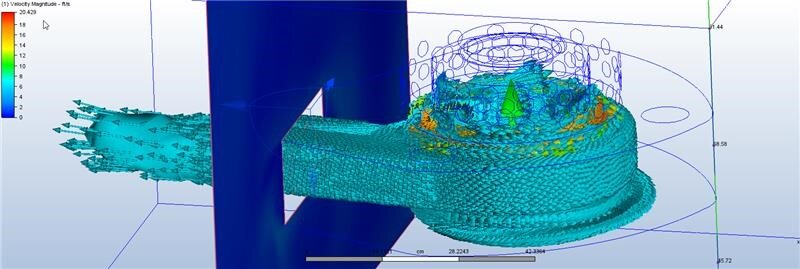
Quantitative Measurements and Characterization: The Key to Optimal Reverberatory Aluminum Melting Furnace Design
Designing an efficient reverberatory aluminum melting furnace is a complex undertaking. It requires careful consideration of various factors that directly affect its performance, energy consumption, and ultimately, your return on investment (ROI). Among these factors, the circulation pump’s sizing, placement, and control play a crucial role. Let’s explore how quantitative measurements and characterization lead to informed decisions in these areas, ensuring optimal furnace system design.
Expertly Optimized Solutions
High Temperature Systems, Inc. partners with melt department managers, supervisors, and engineers to craft complete solutions and solve problems that are beyond the reach of industry off-the-shelf solutions. Drawing from our standard product lines and more than 50 years of experience, we can craft solutions unique to your applications and furnace implementations. These solutions encompass aluminum, zinc and lead operations from die casting to galvanizing.
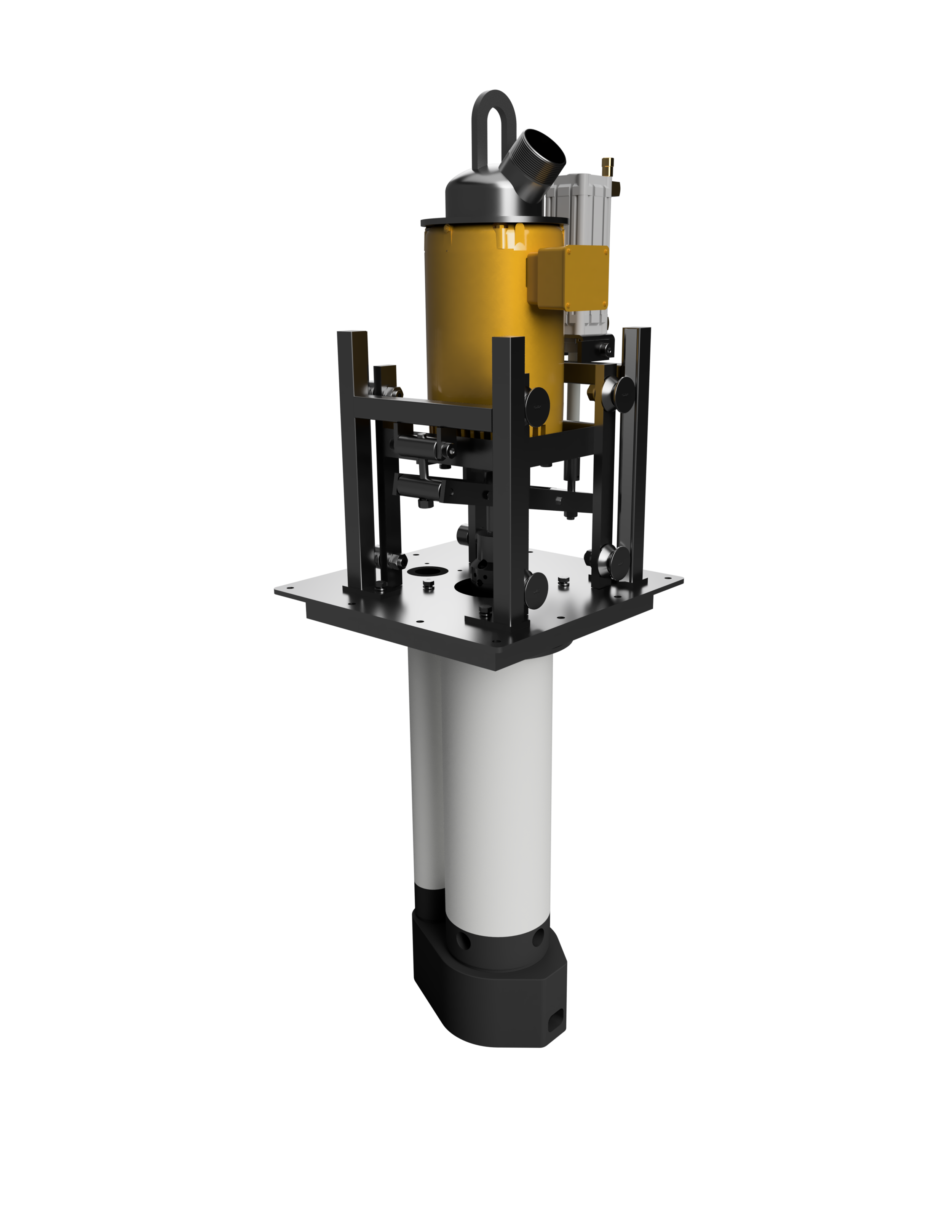
Circulate Continuously - Transfer on Demand
The ideal solution for these furnaces would be a single compact pump that performs both the circulation function and the transfer function. Such a pump would require a mechanism to redirect the output of the pump impeller to either a circulation nozzle or a transfer riser.
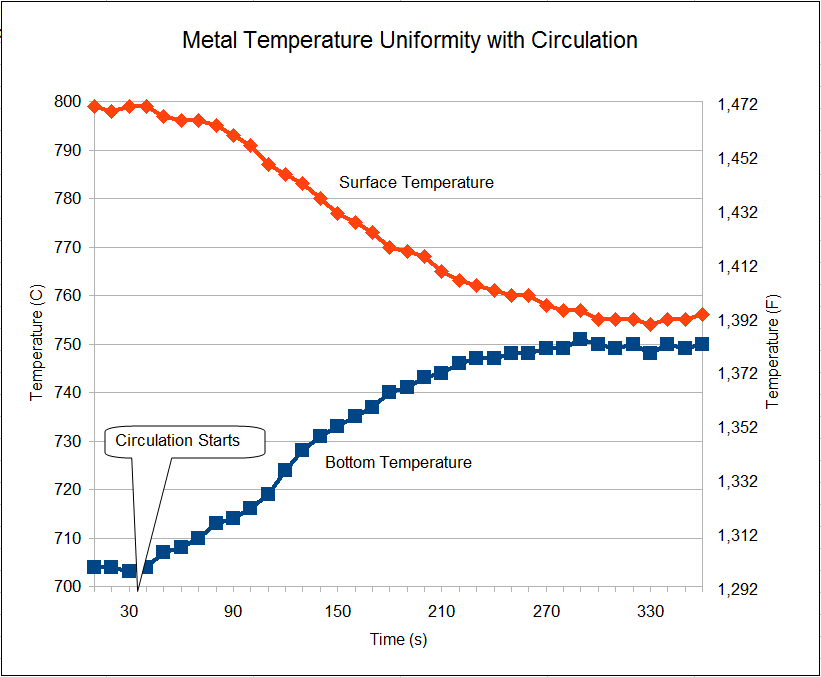
Why Should I Use a Circulation Pump?
In most real world applications, any one of these benefits results in savings that more than offsets the cost of a circulation pump. As an example, a properly sized and operated circulation pump can increase overall furnace throughput 15% and in some cases 30% for a small fraction of the cost of a furnace expansion project.
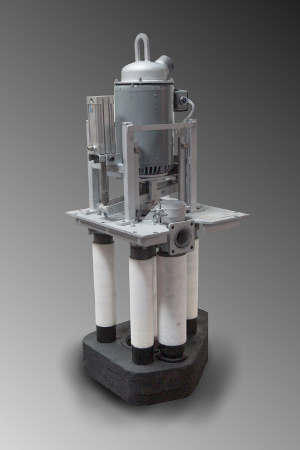
Small Pump Well? You need a Chameleon!
A recent survey of installed aluminum reverb furnaces found that most included a pump well only large enough for a properly sized circulation pump. With manufacturing floor space at a premium and furnace prices increasing, it is no surprise that the pump well would be kept to an absolute minimum. High Temperature Systems, Inc. long ago designed a wide range of high efficiency pumps to bring higher circulation rates to reverb furnaces with smaller pump well sizes. These pumps are well known in the industry for providing the highest flow rates with the smallest footprint.
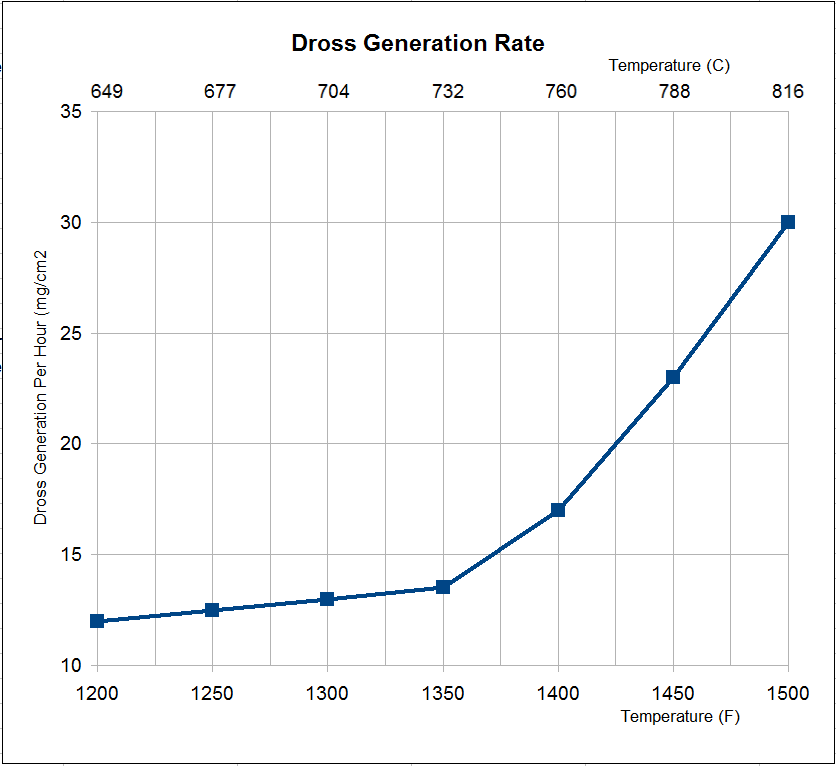
Reduce Melt Loss AND Reduce Your Carbon FootPrint!
By incorporating good circulation practices and reducing furnace temperatures, the dross generation rate can be significantly reduced. Consequently, you can reduce metal loss while reducing your carbon footprint.

Pre-Storage Pump Inspection - Maintenance Pumps
Before putting a pump away for storage, it must be inspected. This article covers the step-by-step process to take before stowing a pump.

Preparing the Pump for Storage - Operational Assessment and Removal from Metal
About 10% of pumps are used exclusively for scheduled furnace maintenance. Between usages, these pumps need to be properly stored and maintained.

Maintenance Pumps and Typical Use Cases
About 10% of molten metal pumps are used exclusively for maintenance applications. It is not uncommon to use a maintenance pump once every year to eighteen months. This article covers the typical ways that maintenance pumps are used.
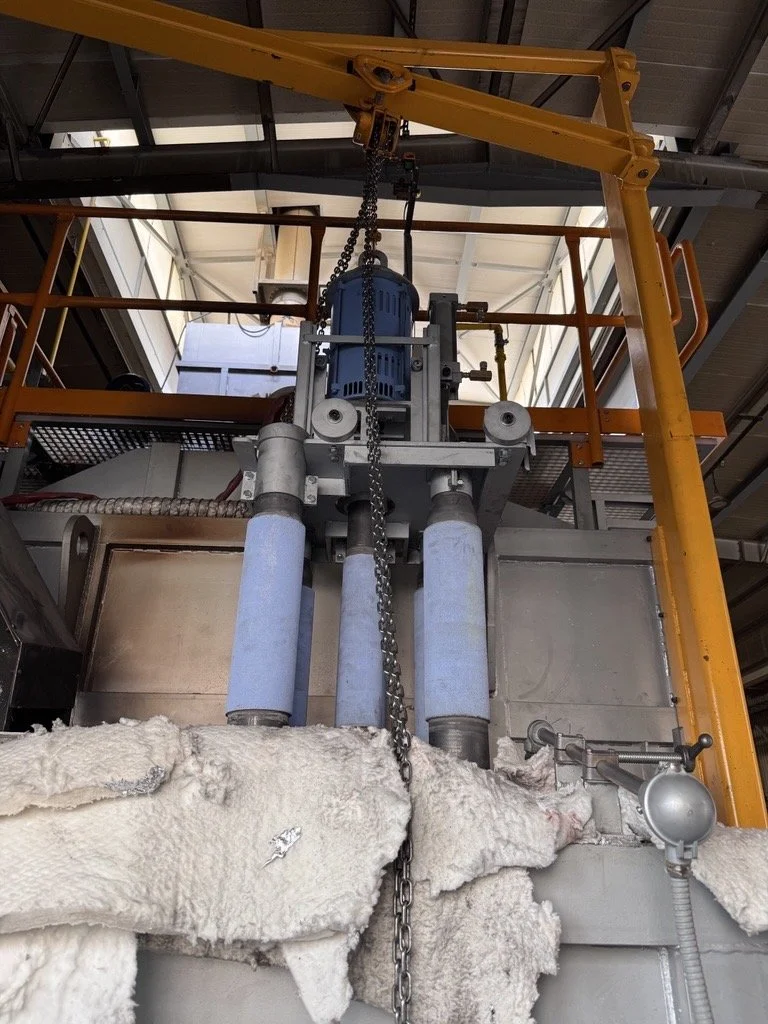
Pump Installation - Lowering the Pump into the Molten Metal
This article reviews the standard procedure for introducing a pump into a molten metal bath.